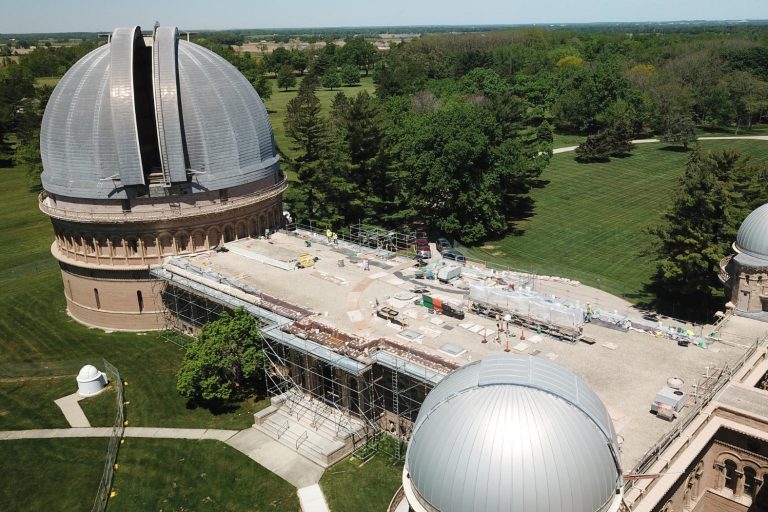
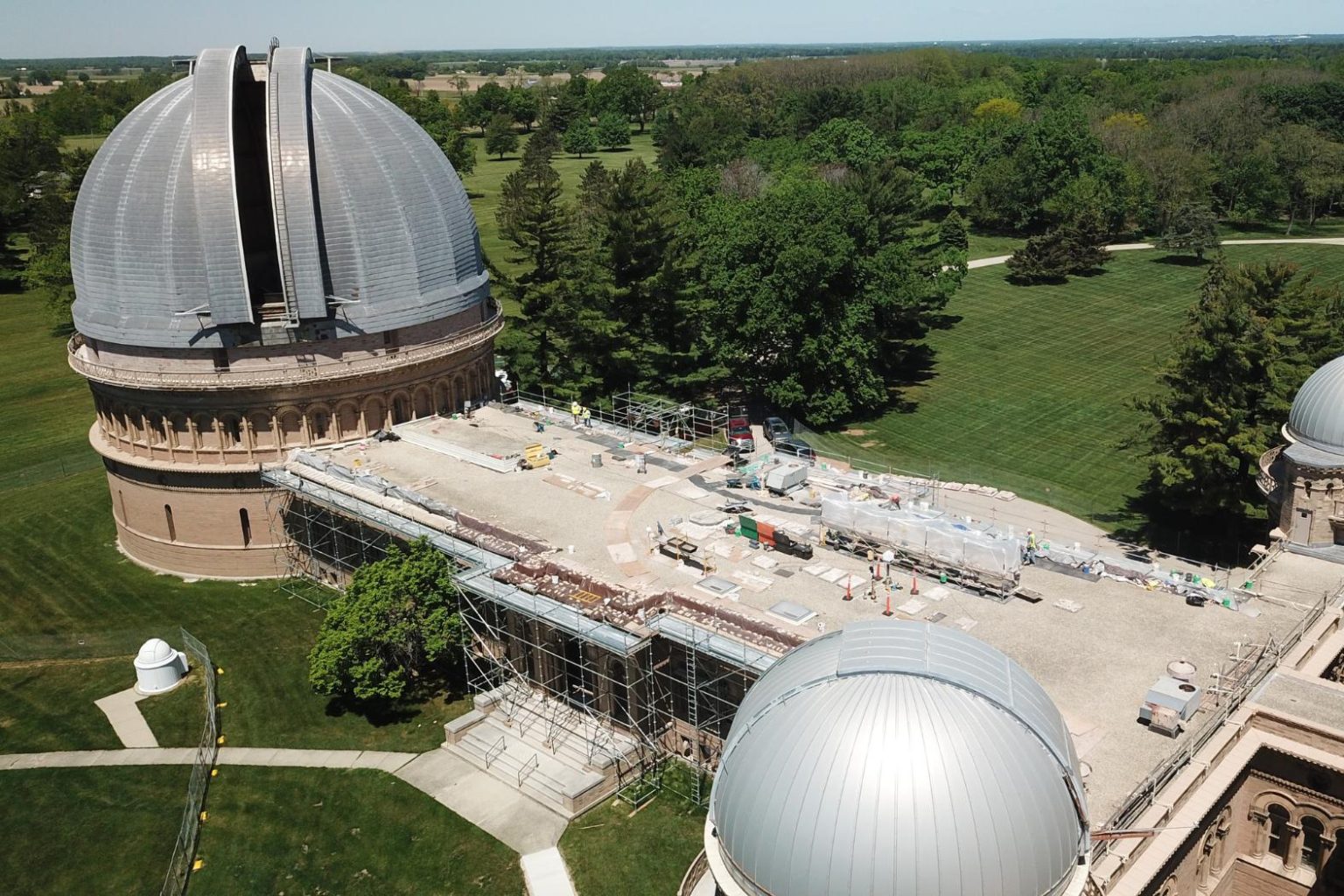
Set along the tree-lined shores of Geneva Lake in Williams Bay, Wisconsin, Yerkes Observatory rises with architectural gravitas as compelling as the celestial research it once enabled. Designed by Henry Ives Cobb and completed in 1897, the observatory was commissioned by the University of Chicago as a world-class scientific facility—and became home to what was then the world’s largest refracting telescope.
Yet the observatory’s significance extends far beyond its scientific instrumentation. Yerkes is one of the most architecturally ambitious observatories ever constructed in the United States. With its façades clad in Roman brick, elaborate terracotta cornices, carved spheres, and limestone detailing, it embodies the Beaux-Arts design ethos and high craftsmanship emblematic of the late 19th century.
When the Yerkes Future Foundation assumed stewardship of the site in 2020, the structure faced a series of complex material failures. Decades of exposure, deferred maintenance, and well-intentioned but incompatible interventions had led to significant deterioration throughout both the building envelope and its interior finishes. In many locations, historic materials had been irreversibly altered or entirely lost. Rather than pursue superficial repairs or cosmetic upgrades, the Foundation committed to a preservation-driven, multi-phase restoration—guided by the principles of material integrity, reversibility, and long-term performance.
Marion Restoration was one of several firms retained to lead the architectural preservation effort, which encompassed masonry stabilization, terracotta repair, waterproofing improvements, interior stone cleaning, and phased component reconstruction. Our scope emphasized a preservation ethic—one that prioritizes detailed condition assessments, material compatibility, and adherence to the Secretary of the Interior’s Standards for the Treatment of Historic Properties. This article documents our contributions to date and outlines the methods employed to help reestablish the integrity of one of America’s most remarkable scientific landmarks.
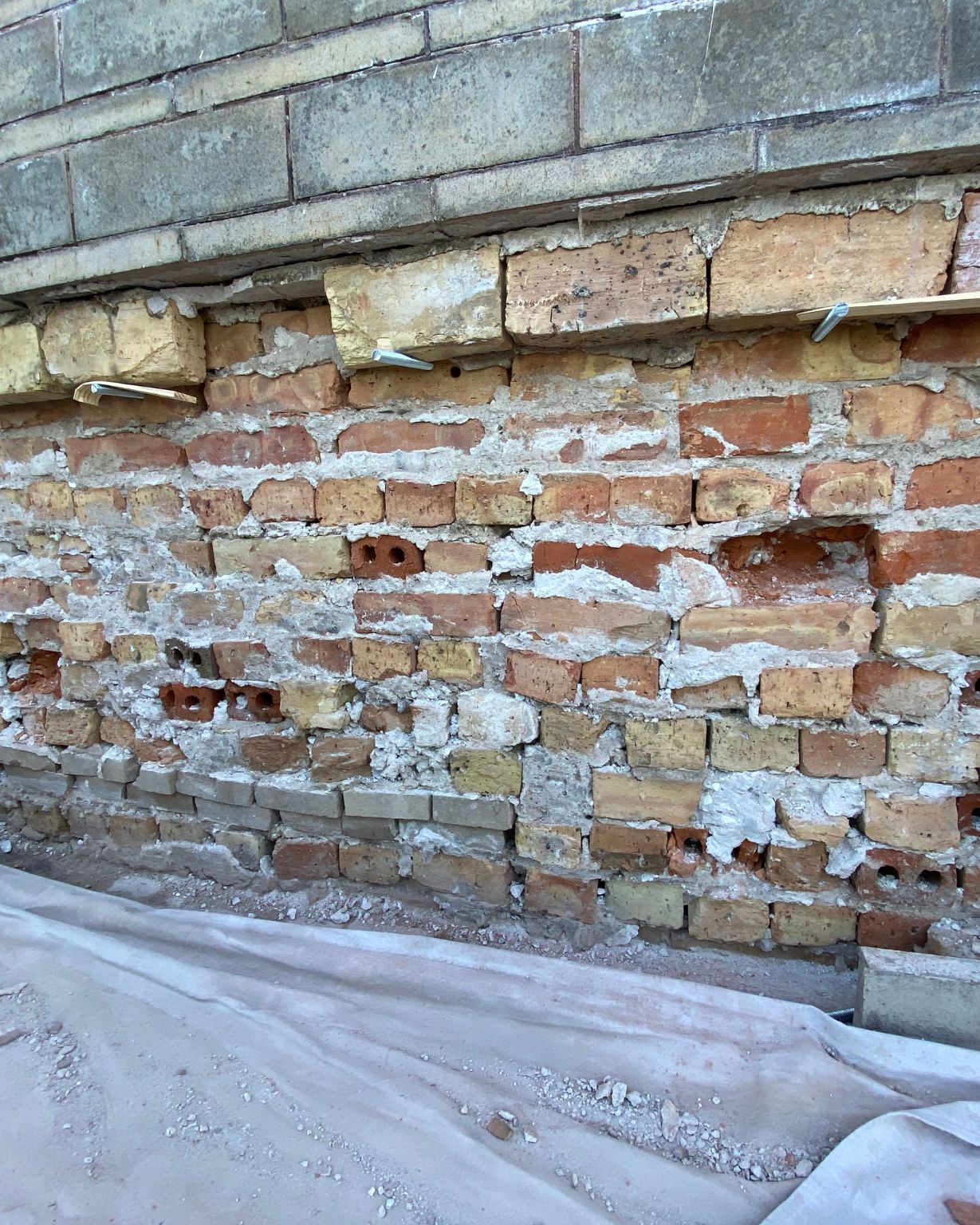
Before any physical work could begin, we conducted extensive condition assessments. The façade appeared largely intact to the untrained eye, but our inspection revealed critical underlying issues. Much of the masonry had been previously repointed—approximately a decade earlier—using Portland cement mortar, a material incompatible with the building’s original soft lime-based mortar. Unfortunately, that repair campaign had been carried out with insufficient technical understanding of the building’s historic materials, leading to significant new deterioration instead of prevention.
The Portland cement mortar’s rigidity and low permeability had caused moisture to accumulate behind the masonry face, leading to widespread cracking, efflorescence, and brick spalling. We also found that many of the building’s unique Roman bricks had been physically cut during prior “restoration” work to accommodate oversized tooling. In doing so, both the visual proportions and the preservation potential of the bricks had been diminished. This damage was most evident in the North Parapet wall, which had been extensively altered and no longer performed as a weather-tight assembly.
The result was a difficult truth for the client: more resources would now be required to reverse the consequences of prior interventions than would have been needed to execute the preservation properly from the outset. This underscores a critical lesson in preservation planning—selecting a qualified contractor with specialized experience is not only about outcomes, but long-term stewardship and cost efficiency.
From the beginning, we adopted a philosophy rooted in preservation: wherever possible, original materials would be retained and stabilized. Where components had been damaged beyond recovery, we committed to replicating them using historically accurate materials and traditional methods. All new work would be reversible, durable, and compatible with adjacent historic fabric.
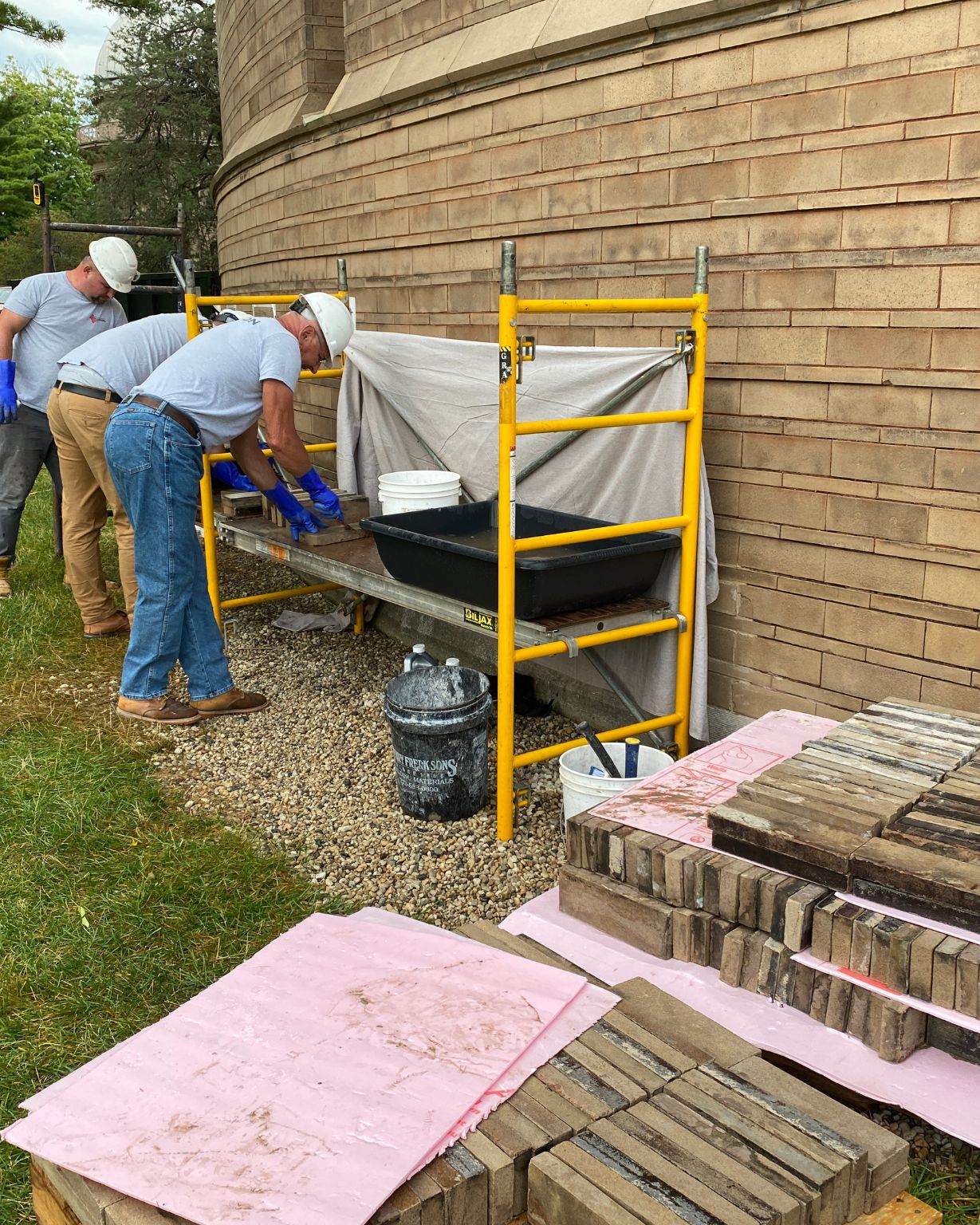

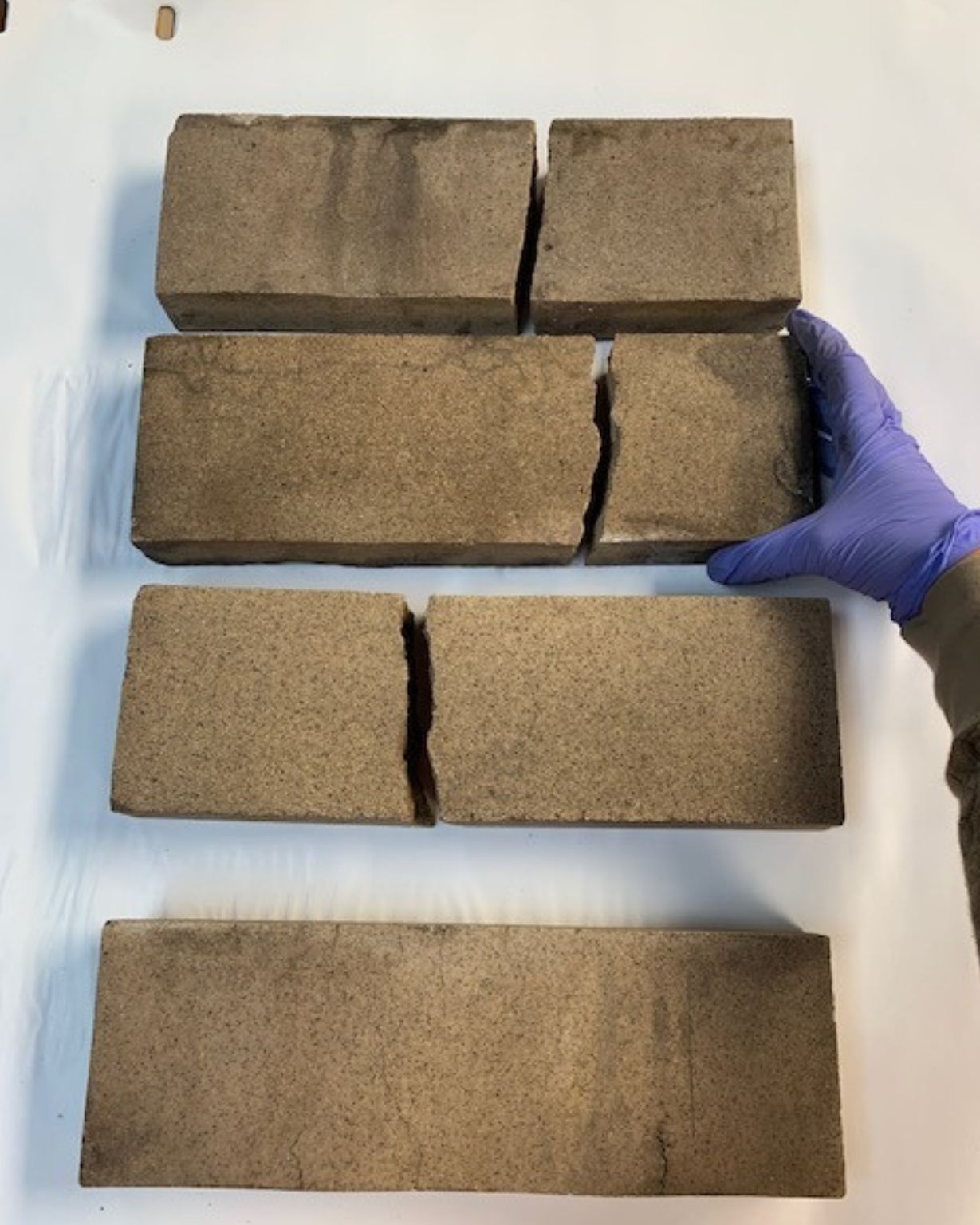
One of the defining architectural features of the Yerkes Observatory is its use of Roman brick—long, slender, and richly textured units rarely found in modern masonry catalogs. Unfortunately, many of these original bricks were compromised during prior interventions that lacked appropriate conservation oversight. Improper joint cutting and overly aggressive repointing rendered a significant portion unsalvageable. In several areas, bricks were physically trimmed to fit oversized mortar joints—an irreversible and technically inappropriate treatment executed by an unqualified contractor. This approach distorted the building’s proportions and resulted in the loss of valuable historic fabric.
Damage was especially severe on both the north and south parapets, as well as along the exterior wall of the southern balcony. During dismantling, bricks were indiscriminately cut with power saws, destroying numerous units that could otherwise have been preserved. Compounding the issue, parapets were rebuilt using hard cement mortars in place of compatible lime-based materials, trapping moisture and accelerating deterioration. Similar failures were observed during the removal of the original terracotta globes, which had been repointed with cement and disassembled without the use of conservation-grade methods.
To ensure architectural continuity and material compatibility, high-fidelity replacements were required. To source historically appropriate brick, we partnered with US Heritage Group – supplier specializing in traditional and custom preservation materials. With their support, a custom batch of over 7,400 Roman bricks was developed to match the original units in color, composition, size, and surface character. The bricks were produced using traditional techniques and firing methods to achieve the tonal range and textural nuances that define the Observatory’s façade.
While a significant number of damaged bricks had to be replaced, many original units were successfully salvaged, restored, and reused. Cracked bricks were bonded and reinstalled with restoration mortars; others were carefully cleaned and stabilized. This approach preserved the maximum amount of historic fabric while ensuring overall performance.
Once delivered to the site, the replacement bricks were incorporated into the comprehensive reconstruction of the North Parapet wall. This phase included full dismantlement of the deteriorated wall, installation of modern flashing systems, and careful rebuilding using the new Roman brick and historically accurate lime mortar. The joints were tooled to replicate original detailing, and new terracotta coping units were installed and finished on site to visually integrate with adjacent historic fabric.
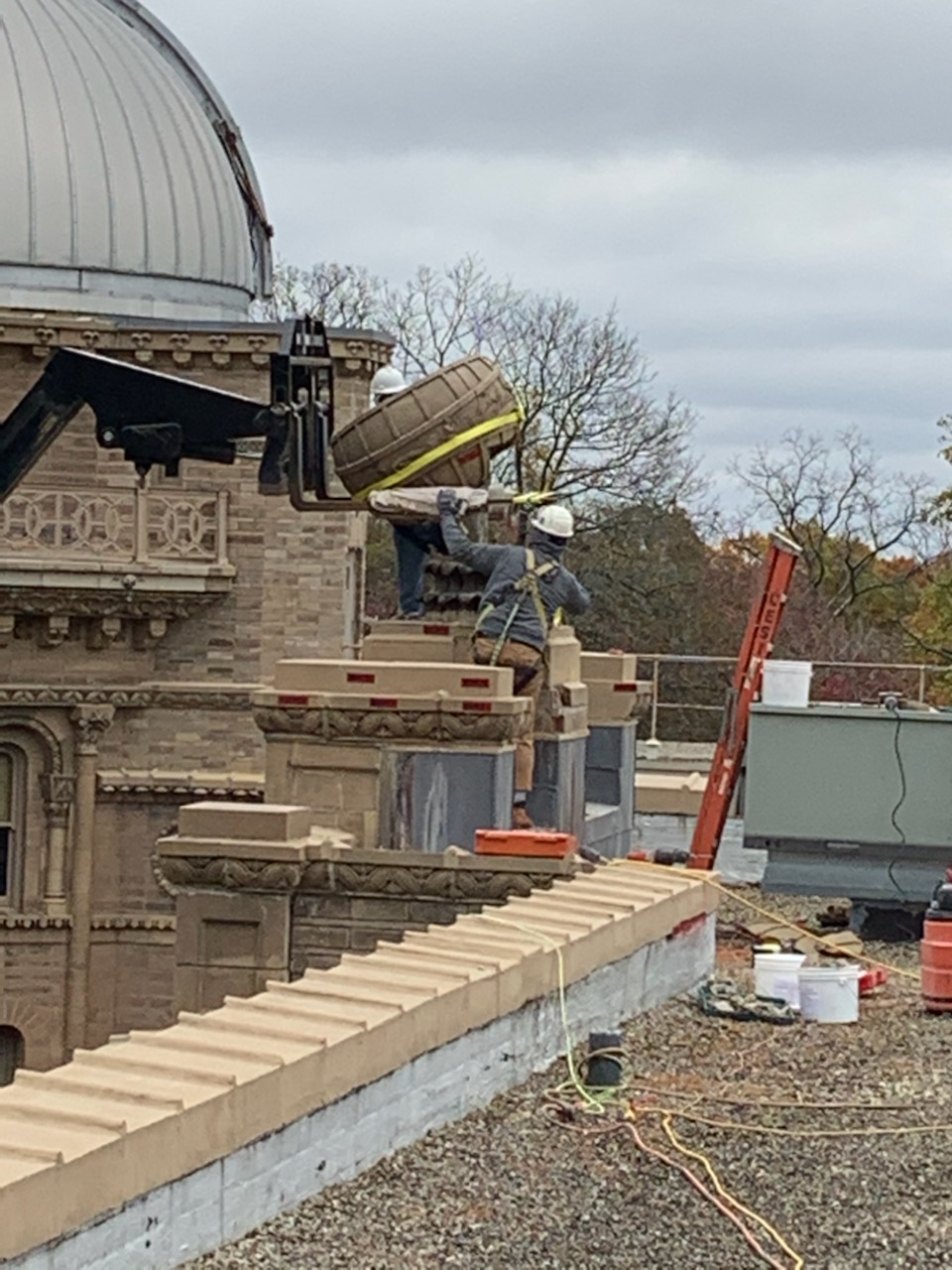
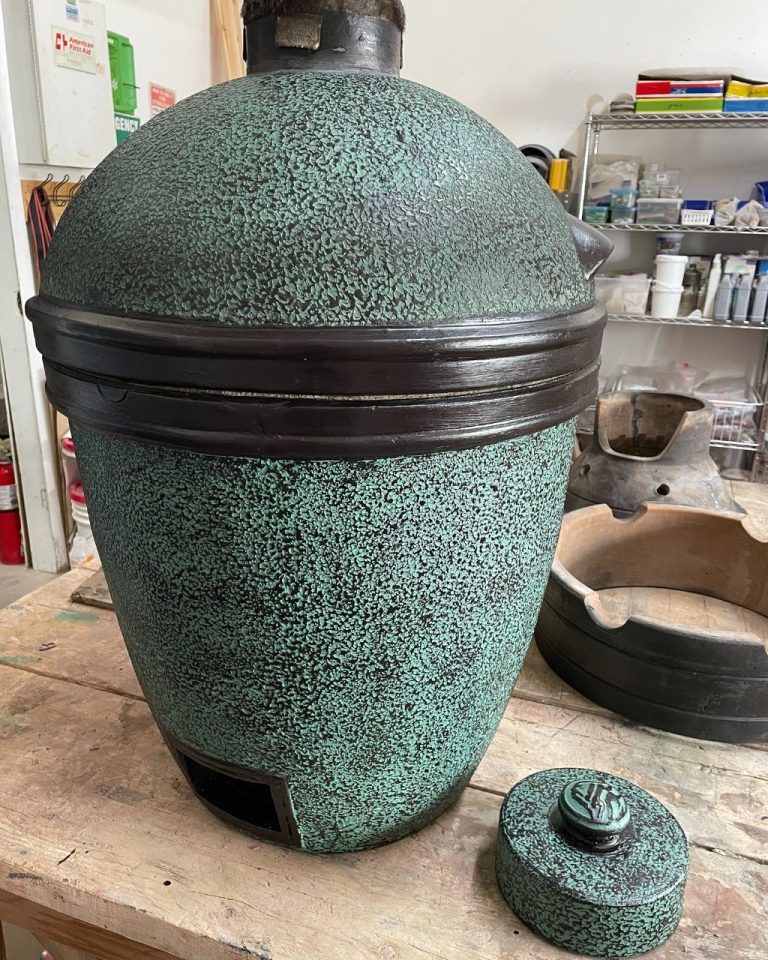
A centerpiece of the Yerkes façade—two monumental terracotta globes that had stood atop the building’s front stair platforms—had deteriorated so severely that in-place repair was no longer feasible. These sculptures, with finely detailed carved bands and stylized bases, had been damaged by water infiltration, freeze–thaw cycles, and previous incompatible repairs. To ensure proper treatment, the components were dismantled and transported to the studio of Globus Art & Architectural Conservation, a specialist in architectural ceramics repair.
At Globus, the terracotta pieces underwent a multi-step preservation treatment that included salt extraction using clay-based poultices, low-pressure steam cleaning, structural stabilization, and precise reassembly. Dozens of fragments were consolidated with stainless steel armatures, bonded with conservation-grade reversible adhesives, and retooled to restore their original geometry. Missing fragments were reproduced using archival documentation and integrated seamlessly into the assemblies.
Following final cleaning and mineral-based coating, the completed spheres were carefully craned back into position atop the original limestone bases. Their return not only restored the building’s historic composition but also demonstrated what collaborative preservation can achieve when led by craft and informed by science.

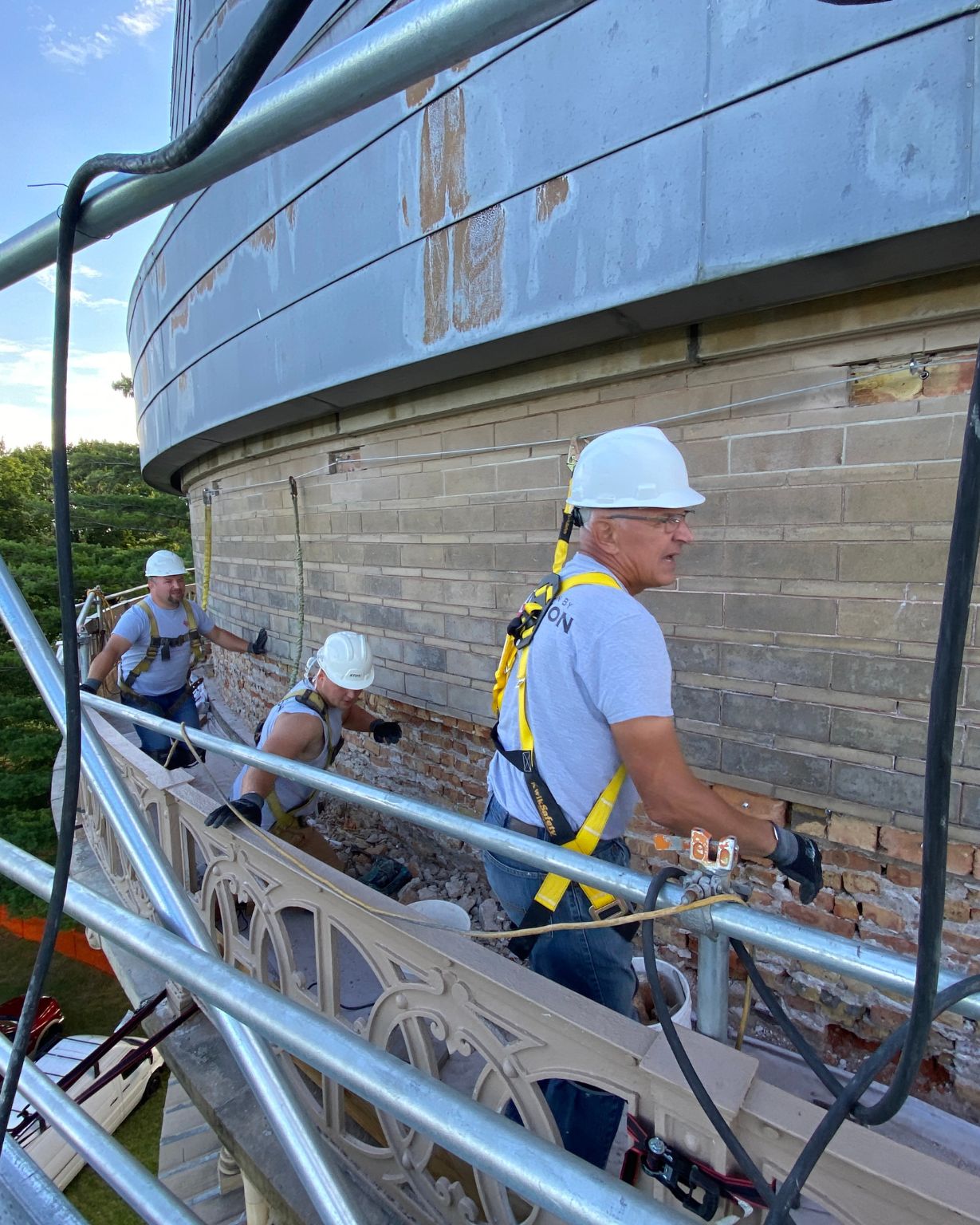
Critical to the long-term survival of the observatory was restoring its ability to shed and redirect water. In multiple locations—including the North Parapet and the telescope balcony—original waterproofing assemblies had either failed or been compromised. Much of the exterior scope focused on dismantling and rebuilding the parapets and wall sections directly above the observatory’s large exterior telescope balcony. These parapet assemblies, previously reconstructed with inappropriate materials, had suffered advanced water infiltration and frost damage due to the absence of proper through-wall flashing and the use of hard cement mortars. The wall systems were carefully deconstructed, and comprehensive upgrades were implemented: deteriorated membranes were removed, substrates were prepared, new through-wall flashing was incorporated to safely redirect moisture to the exterior, and coping and masonry work were executed using traditional detailing aligned with preservation best practices. These improvements now extend the life of the new Roman brick and reduce future risk to the masonry substrate by restoring essential water management performance.
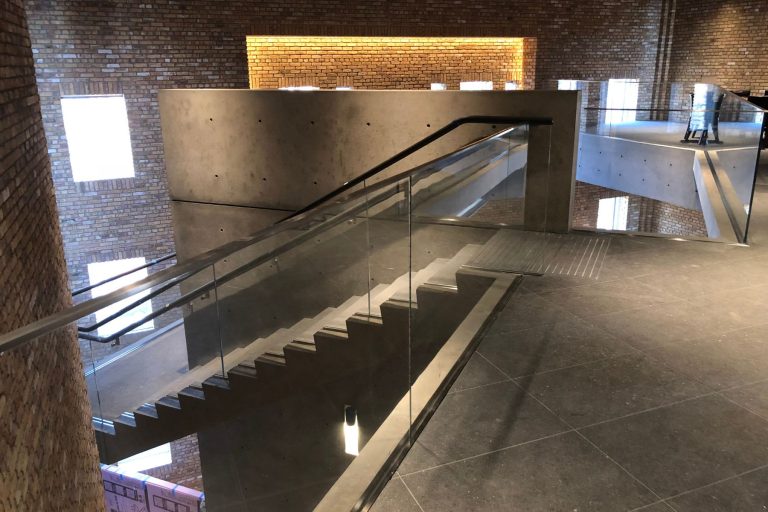
While exterior stabilization was a priority, our work also extended into the building’s historic interior spaces. The observatory features extensive Carrara marble paneling, terrazzo and mosaic floors, and painted plaster vaults—all of which required preservation care.
In the East Archive Hall and the original restrooms, marble panels were cleaned using non-abrasive pH-neutral solutions and polished with a protective wax. Several displaced panels were recovered, catalogued, and stored for reinstallation following mechanical upgrades.
Historic mosaic floors were treated in situ. We removed incompatible acrylic coatings, cleaned the tiles, regrouted voids using lime-based mortar, and applied a breathable, sacrificial coating. Our goal was to bring back the visual depth of these surfaces while maintaining their historic material characteristics. Where tiles were cracked or missing, we sourced replacements from a regional supplier with matching color palettes.
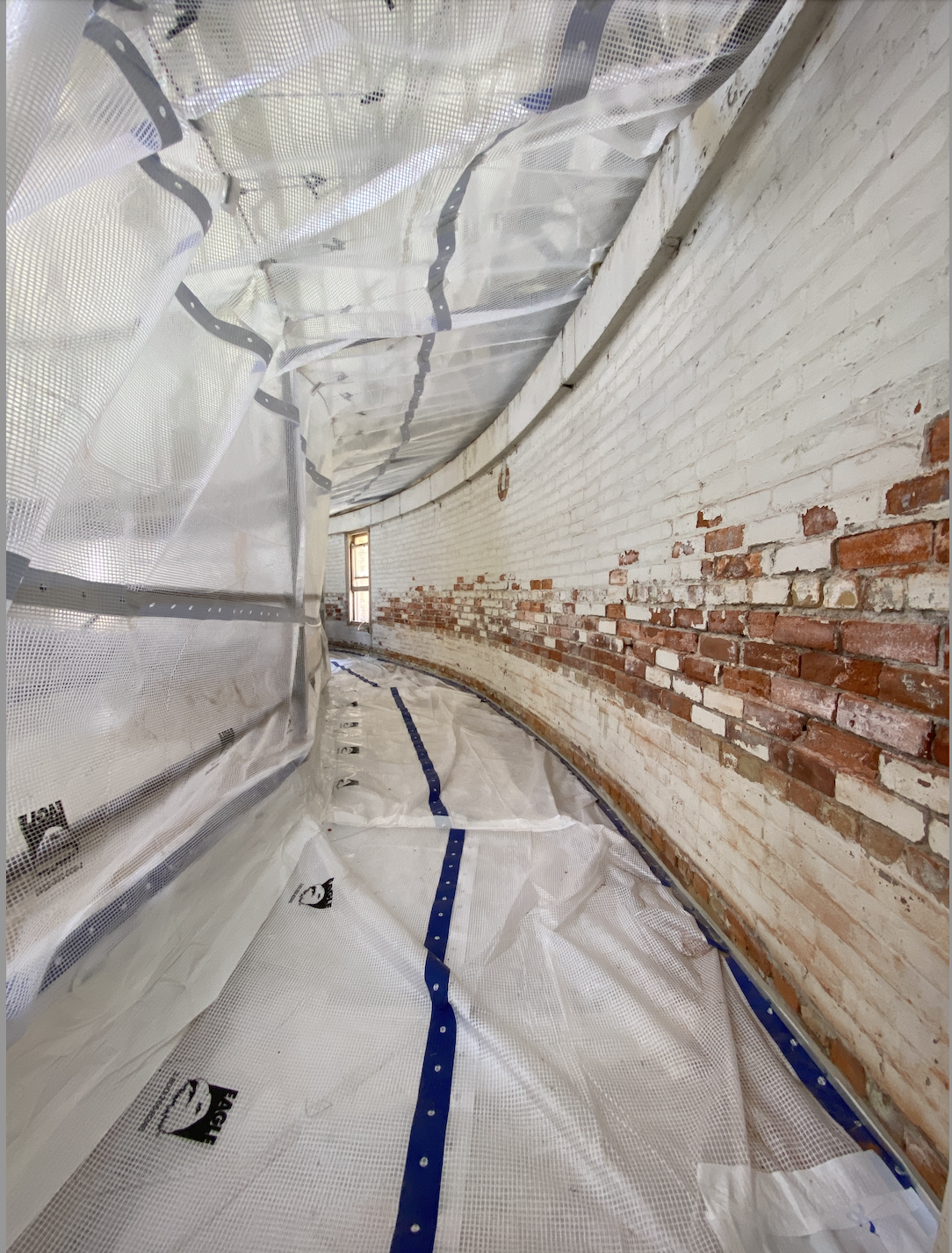
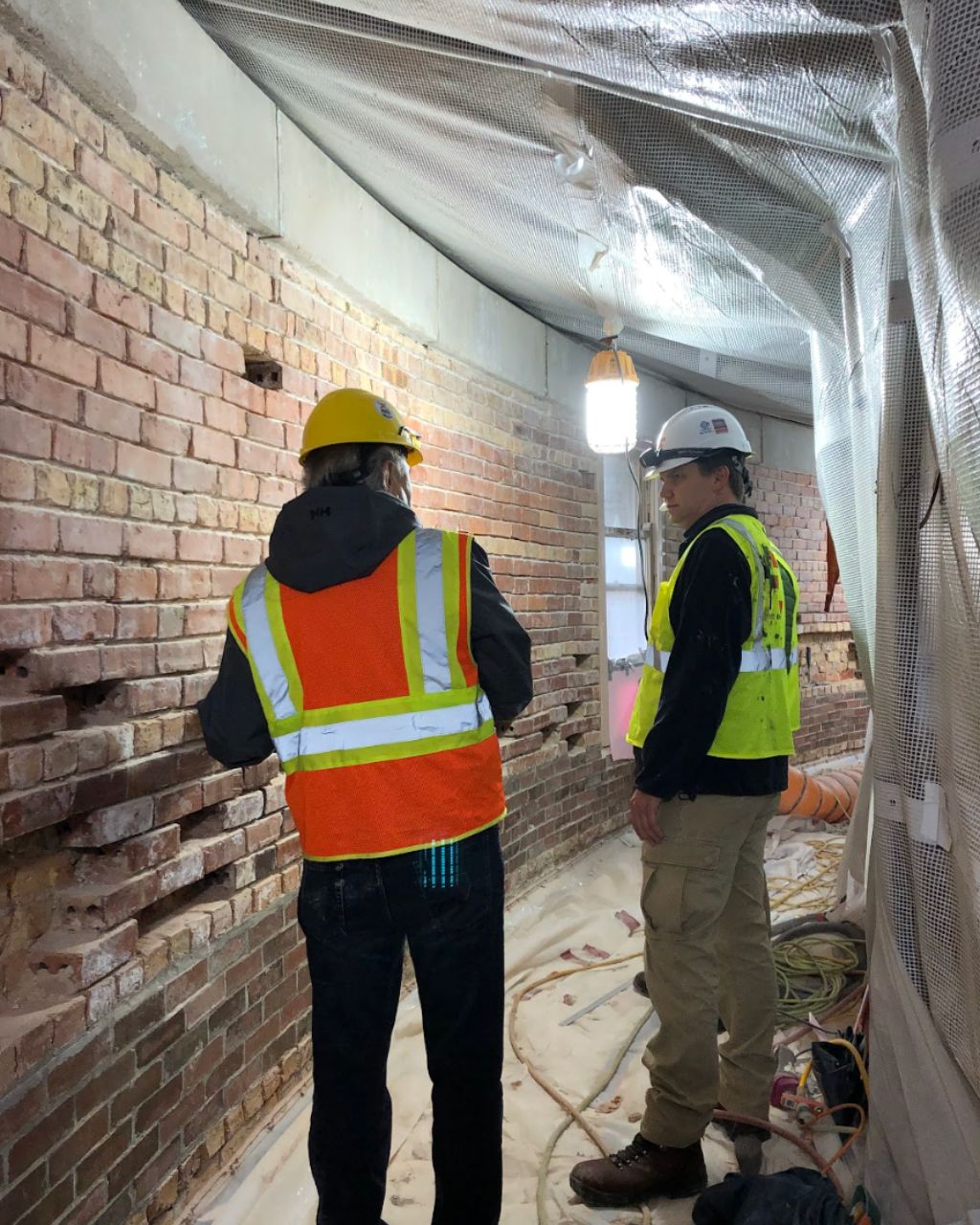
A particularly sensitive interior scope involved the inner balcony of the telescope tower, where impermeable modern paint coatings had been trapping moisture behind the masonry. This led to widespread deterioration and disintegration of the underlying brickwork. The work was especially challenging due to the presence of the historic telescope, which remained in place throughout the restoration process. While the instrument was professionally secured and protected by specialists, our team faced the added responsibility of minimizing dust and debris generation to avoid the risk of contamination or particulate settling on sensitive optical components. Non-breathable coatings were carefully stripped using low-impact chemical and micro-abrasive techniques, and deteriorated bricks were removed and replaced with compatible masonry and lime-based mortars. This intervention not only restored the material integrity of the tower interior but also significantly improved its overall moisture performance—achieved under highly constrained working conditions that demanded meticulous care.
The preservation of Yerkes Observatory is ongoing and has been structured from the beginning as a phased, multi-year engagement. Each campaign is preceded by planning, sampling, and coordination with the Yerkes Future Foundation, whose stewardship and support have made the work possible.
Our methodology includes detailed documentation of every treatment, from brick installations to terracotta repairs. We maintain photographic records, materials logs, and as-built drawings for each scope. This archive serves not only the current project but future preservation efforts as the observatory continues to evolve.
In addition to our physical work, we’ve contributed to the project’s preservation planning—advising on maintenance strategies, future repair compatibility, and material lifecycles. Our collaboration with architects, specialists, and project managers has created a consistent framework for decision-making rooted in preservation science.
The Yerkes project is a compelling reminder that quality preservation is not just about aesthetics or craftsmanship—it is about responsibility. Past interventions, though well-intentioned, caused irreversible damage and increased long-term costs. Choosing the right team from the beginning is not simply a matter of skill; it is a matter of preservation economics, and ultimately, stewardship.
As we continue to work on successive phases of the observatory, our focus remains on restoring original systems, respecting historical detailing, and ensuring the building’s long-term performance. Every aspect of our work—from Roman brick to decorative terracotta, waterproofing to mosaic tile—has been approached as part of a coherent preservation strategy.
Yerkes Observatory is not only an architectural artifact but a living institution with a growing public and educational mission. Its preservation demands a balance of tradition and technical expertise, and we are honored to contribute our craft to a building of such enduring cultural significance.